
Stretch marks inner thigh concerns affect countless individuals seeking to understand and manage these common skin changes. Whether you are experiencing your first appearance of these marks or have been dealing with them for years, understanding what causes them, how they develop, and what treatment options exist can significantly improve your relationship with your skin. This comprehensive guide addresses the health and wellness aspects of managing these marks while providing you with evidence-based information to make informed decisions about your skin care routine.
| Category | Key Information | Status |
|---|---|---|
| Prevalence 📊 | Affects approximately 90% of women | Very common |
| Appearance 🎨 | Red, purple, silver, or white streaks | Non-threatening |
| Health Risk ✅ | Completely harmless | Safe |
| Age of Onset 👶 | Can appear at any life stage | Variable |
| Treatment Options 💊 | Multiple methods available | Manageable |
| Permanent Status ⏰ | Cannot be completely removed | Improvable |
Understanding stretch marks inner thigh and their formation
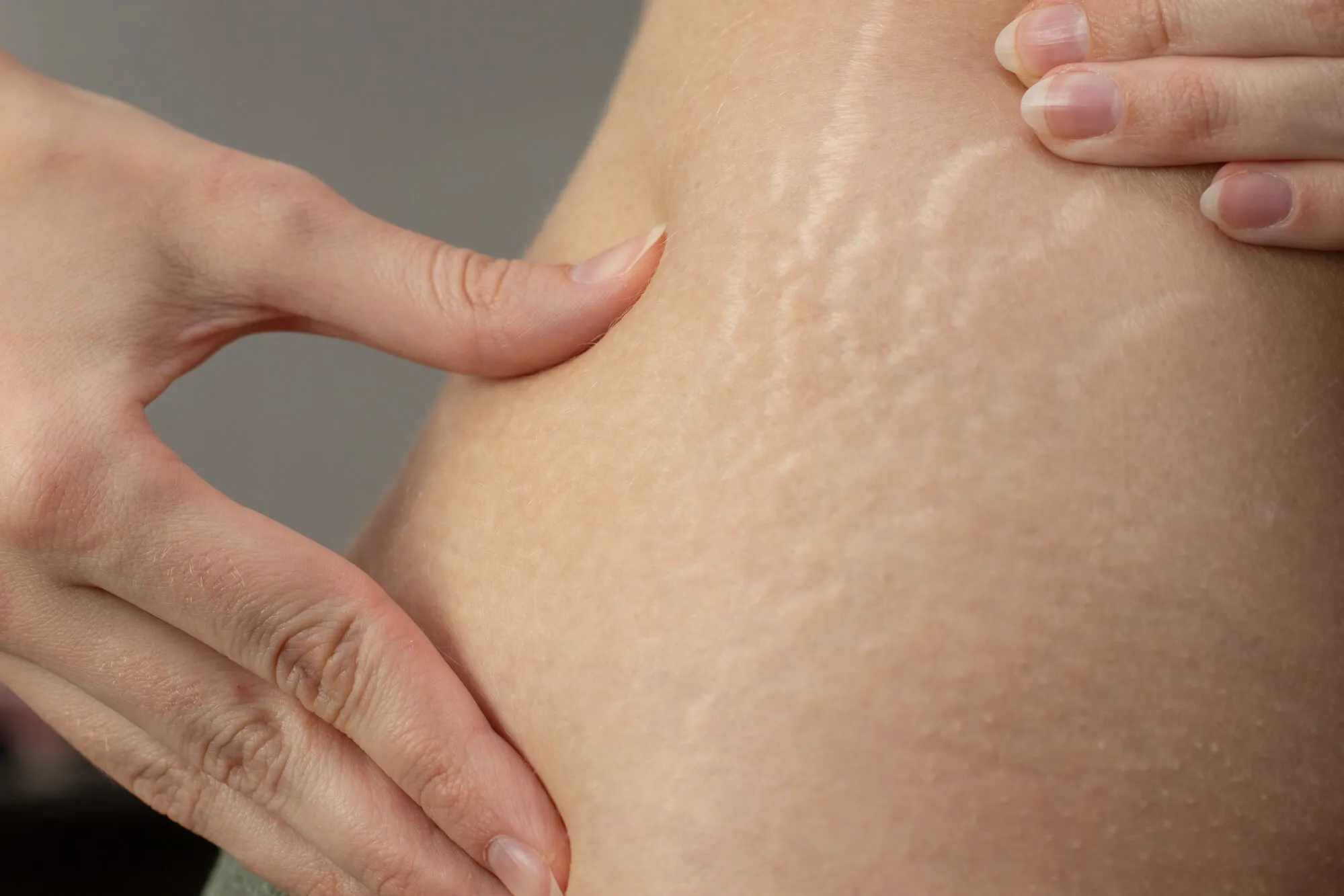
Stretch marks on your inner thighs develop when your skin cannot keep pace with rapid changes in body size or composition. These occur when the middle layer of your skin, called the dermis, experiences excessive tension. When the elastic fibres in this layer stretch beyond their capacity, they break and tear, leaving behind visible marks that begin as small scars.
The formation process happens in stages. Initially, your skin attempts to repair the damaged area, which causes blood vessels beneath the skin to become visible. This is why newly formed marks appear as red, purple, or blue streaks. Over time—typically spanning several months to years—these marks gradually fade as blood vessels narrow and the skin’s pigmentation normalizes, eventually becoming silver or white in colour.
How your skin structure contributes to inner thigh vulnerability
Your inner thighs are particularly prone to developing these marks for specific anatomical reasons. The skin in this area is naturally thinner and more delicate than skin on other body regions, making it more susceptible to tearing when stretched. Additionally, this region naturally accumulates more fatty tissue, which means it experiences greater stress during weight fluctuations or body composition changes.
| Skin Layer | Function | Impact on Stretch Marks |
|---|---|---|
| Epidermis | Outer protective layer | Remains relatively unaffected |
| Dermis | Middle layer with elasticity | Primary site of damage |
| Subcutaneous tissue | Fat and connective tissue | Affected by rapid expansion |
| Collagen | Structural protein | Disrupted during stretching |
| Elastin | Elastic protein | Breaks when overstretched |
Primary causes of stretch marks on your inner thighs
Understanding what triggers these marks helps you make preventive choices and manage future skin health more effectively.
Rapid weight gain represents one of the most common causes. When your body gains weight quickly—especially over short periods—the skin cannot adapt at the same pace. This rapid expansion overwhelms your skin’s natural elasticity, causing the underlying fibres to tear.
Growth spurts during puberty create similar effects. Teenagers frequently develop these marks because their bodies grow and change dramatically during adolescence. Both males and females experience growth-related stretch marks during this developmental period.
Pregnancy triggers multiple factors that promote mark development. Your body expands to accommodate your growing baby, hormonal changes weaken skin fibres, and increased cortisol levels further compromise elasticity. These marks often appear during the third trimester when expansion accelerates.
Muscle development through weightlifting causes the skin to stretch as muscles grow beneath the surface. Bodybuilders and fitness enthusiasts frequently experience these marks when building muscle mass rapidly.
Rapid weight loss can also create stretch marks. When significant weight loss occurs quickly, the skin may not contract at the same rate, causing it to become loose and marked.
| Cause | Risk Level | Age Group Most Affected | Prevention Possibility |
|---|---|---|---|
| Puberty growth | High | 13-18 years | Limited |
| Pregnancy | High | 20-40 years | Moderate |
| Rapid weight gain | Very high | Any age | Good |
| Intense muscle building | Moderate | 18-35 years | Good |
| Weight loss | Moderate | Any age | Good |
| Genetic predisposition | High | Any age | Limited |
Why genetics and hormones matter
Your genetic makeup plays a crucial role in determining whether you develop stretch marks inner thigh marks or elsewhere on your body. If your parents or close family members experienced significant stretch marks, you are more likely to develop them as well. This genetic predisposition relates to your skin’s natural elasticity and the strength of your collagen and elastin fibres.
Hormonal factors also significantly influence mark formation. The hormone cortisol, produced by your adrenal glands, weakens elastic fibres in your skin when elevated. This is why pregnant individuals, those under significant stress, or people using corticosteroid medications experience higher rates of these marks. Research indicates that individuals with higher cortisol levels face increased vulnerability to skin damage during periods of stretching.
Certain medical conditions increase your risk substantially. Cushing’s syndrome, characterized by excessive cortisol production, creates ideal conditions for widespread stretch mark development. Similarly, Marfan syndrome and Ehlers-Danlos syndrome, both genetic disorders affecting connective tissue, significantly increase susceptibility to these marks.
Recognizing the appearance and progression of your marks
Stretch marks progress through distinct visual stages, and identifying which stage yours has reached helps determine appropriate treatment approaches.
Stage one: Recent red or purple marks typically appear within the first few months of skin stretching. These marks look raised, have a different texture from surrounding skin, and may feel itchy or slightly tender to touch. The red or purple colour results from blood vessels becoming visible through the thinned skin. This early stage represents the optimal time for treatment, as these marks respond best to therapeutic interventions.
Stage two: Transition phase occurs over several months as your body’s natural healing mechanisms activate. The marks gradually change colour from red to pink to purple. This phase still offers good treatment opportunities, as the skin maintains some responsiveness to therapeutic approaches.
Stage three: Silver or white marks represent the final stage of development. These older marks have faded significantly and become more difficult to treat. The colour change indicates that blood vessels have narrowed and the scar tissue has fully matured. While treatment remains possible, results typically prove more modest than with newer marks.
Treatment options for managing stretch marks inner thigh appearance
Topical treatments and their effectiveness
Retinoid creams represent among the most evidence-supported options for treating these marks. Tretinoin, a prescription-strength retinoid derived from vitamin A, stimulates collagen production and helps improve skin texture and elasticity. Studies demonstrate that retinoid creams work best on newer, red marks. These treatments require consistent application over several weeks to show noticeable results.
Hyaluronic acid offers another scientifically-supported approach. This naturally-occurring substance helps your skin retain moisture, maintaining hydration and improving the appearance of stretch marks. Many over-the-counter products now incorporate hyaluronic acid specifically for this purpose.
Vitamin C and centella asiatica (also called gotu kola) show promise in research studies. Vitamin C supports collagen synthesis, while centella asiatica possesses anti-inflammatory properties that may help reduce mark visibility.
Glycolic acid belongs to the alpha-hydroxy acid family and works through gentle exfoliation. This ingredient helps remove dead skin cells and may improve the appearance of stretch marks when used consistently.
It is important to note that while many creams and oils claim effectiveness, the scientific evidence supporting most over-the-counter products remains limited. Cocoa butter, coconut oil, olive oil, and almond oil have not demonstrated significant effectiveness in clinical studies, despite their popularity.
| Treatment | Type | Best For | Timeline | Cost |
|---|---|---|---|---|
| Retinoid creams | Topical | New marks | 3-6 months | $$$ |
| Hyaluronic acid | Topical | All stages | 4-8 weeks | $$ |
| Glycolic acid | Topical | New marks | 6-12 weeks | $$ |
| Vitamin C serums | Topical | All stages | 8-12 weeks | $$ |
| Moisturizers | Topical | Prevention | Ongoing | $ |
Professional medical treatments
Laser therapy has emerged as one of the most effective treatment options for stretch marks. Multiple laser types address different stages of mark development:
- Pulsed dye laser targets new, red stretch marks by calming blood vessels beneath the skin
- Fractional CO2 laser works on older, white marks by stimulating collagen production
- Excimer laser delivers targeted ultraviolet B light to address pigmentation issues
Laser treatments typically require multiple sessions for optimal results, often spanning several months. The procedure uses concentrated light beams to stimulate skin cell growth and regeneration, gradually improving the appearance of marks.
Microdermabrasion uses tiny crystals to remove the outer layer of dead skin cells. This procedure can be particularly effective for newer stretch marks when combined with other treatments. The crystals essentially sand away damaged skin, encouraging the body’s natural healing response.
Microneedling creates controlled micro-injuries using specialized needles, triggering your skin’s natural collagen production. This treatment proves especially effective for deeper or more stubborn marks. When combined with platelet-rich plasma (PRP) therapy, which accelerates the healing process, results improve significantly.
Chemical peels employ acidic solutions to remove outer skin layers and promote new skin growth. While potentially helpful, these treatments may produce only modest improvements in mark appearance.
Prevention strategies for minimizing future stretch marks
Lifestyle approaches to reduce your risk
- Maintain steady weight through balanced nutrition – Rapid weight fluctuations stress your skin more than gradual changes. Eating a nutrient-rich diet supports skin health and elasticity.
- Exercise regularly and consistently – Just 30 minutes of daily physical activity strengthens your skin’s structure and maintains overall skin health. Regular exercise helps prevent rapid weight gain while improving circulation.
- Prioritize adequate hydration – Drinking sufficient water keeps your skin soft, supple, and better equipped to handle stretching. Well-hydrated skin demonstrates greater elasticity.
- Use quality moisturizers daily – Applying nourishing moisturizers helps maintain your skin’s elasticity and strengthens its protective barrier, potentially reducing mark formation risk.
- Monitor stress levels carefully – High stress increases cortisol production, which weakens elastic fibres. Stress management techniques like meditation, yoga, or regular exercise help protect your skin.
Targeted skincare practices for vulnerable areas
Establishing a dedicated skincare routine for your inner thighs can help prevent or minimize mark development:
- Apply hydrating moisturizers immediately after bathing while skin remains damp
- Use gentle exfoliation once or twice weekly to remove dead skin cells
- Consider applying targeted serums containing hyaluronic acid or vitamin C
- Wear loose, breathable clothing to avoid irritation
- Avoid prolonged sun exposure, which can damage skin elasticity
| Prevention Strategy | Effectiveness | Ease of Implementation | Cost |
|---|---|---|---|
| Weight management | High | Moderate | Low |
| Regular exercise | High | Moderate | Low |
| Daily hydration | Moderate | Very easy | Low |
| Moisturizing routine | Moderate | Easy | Low-Moderate |
| Stress management | Moderate | Moderate | Low |
| Targeted serums | Moderate | Easy | Moderate |
Medical considerations and when to seek professional guidance
Stretch marks inner thigh marks typically require no medical intervention, as they pose no health risks. However, consulting a dermatologist proves beneficial in certain situations:
- When marks first appear, to discuss immediate treatment options while they remain most responsive
- When marks cause physical discomfort, itching, or pain beyond normal sensitivity
- When you wish to explore professional treatment options like laser therapy or microneedling
- When marks appear suddenly without obvious causes, which may indicate underlying conditions
- When experiencing symptoms alongside your stretch marks that suggest other skin conditions
Your healthcare provider can evaluate your specific situation and recommend personalized treatment approaches based on your skin type, mark characteristics, and personal preferences.
Psychological wellness and acceptance
While stretch marks are medically harmless, many people experience emotional concerns about their appearance. Recognizing that approximately 90% of women and significant percentages of men develop these marks helps normalize their occurrence. They represent normal skin responses to body changes rather than cosmetic flaws.
Developing self-compassion regarding these marks supports overall wellness. Many individuals find that their perceived importance of stretch marks decreases with time as they prioritize other aspects of health and appearance. Should emotional concerns significantly affect your wellbeing, speaking with a mental health professional can provide valuable support.
Summary of key takeaways for managing stretch marks inner thigh concerns
Stretch marks inner thigh marks represent extremely common, harmless skin changes resulting from rapid body expansion or contraction. While they cannot be completely eliminated, numerous effective treatment options exist to reduce their appearance. The most successful outcomes occur when treatment begins during the early red or purple stage, though older marks can still improve with appropriate therapy.
Your best approach combines realistic expectations, evidence-based treatment selection, and preventive measures moving forward. Whether you choose topical treatments, professional procedures, lifestyle modifications, or acceptance of your marks as part of your unique body story, managing these marks successfully requires focusing on what supports your overall health and wellbeing rather than achieving impossible perfection.
Remember that your skin tells the story of your life including moments of growth, change, and transformation. Stretch marks represent physical evidence of these journeys, and addressing them should ultimately support your confidence and wellness rather than diminish it.