

The world of cinema extends far beyond the glittering studios of Hollywood. Across the Indian subcontinent, in the bustling metropolis of Mumbai, lies a thriving film industry that produces more motion pictures annually than any other film industry globally. This fascinating world is what we refer to as Bollywood, an artistic and cultural phenomenon that has captivated audiences worldwide for decades. Understanding what Bollywood represents goes beyond simply knowing it produces films; it encompasses a comprehensive exploration of artistic expression, cultural identity, technological innovation, and global influence that merits serious attention.
Quick reference guide
| Aspect | Details |
|---|---|
| Definition 🎬 | India’s Hindi-language film industry based in Mumbai |
| Etymology 📍 | Combination of “Bombay” (former name of Mumbai) and “Hollywood” |
| Annual Production 🎥 | Over 1,000 films produced yearly |
| Global Rank 🌍 | World’s largest film industry by number of releases |
| Key Characteristic 🎵 | Musical-centric storytelling with elaborate song-and-dance sequences |
| Founding Year 📅 | Film industry development began in 1913 |
What is Bollywood exactly ?
What is Bollywood represents far more than a simple categorization of films. It denotes India’s Hindi-language film industry, headquartered in Mumbai (formerly known as Bombay), which stands as the most prolific film-producing center on the planet. The nomenclature itself reveals the industry’s relationship to global cinema: the term merges “Bombay,” the historical designation of Mumbai, with “Hollywood,” acknowledging both its geographic origin and its aspirations within the global cinematic landscape. While some traditionalists object to this designation, arguing it diminishes the industry’s standing, the term has achieved such widespread acceptance that it now appears in the Oxford English Dictionary as an established entry.
The industry’s scale presents staggering statistics. Bollywood produces approximately 1,000 to 1,500 films annually, substantially outpacing Hollywood’s output, which averages around 300 to 400 films yearly. This extraordinary productivity stems from several factors: robust domestic demand from India’s vast population, diverse audience preferences, and the industry’s capacity to work with relatively efficient production models compared to Western counterparts.
What is Bollywood also encompasses a distinct artistic philosophy. Hindi cinema prioritizes entertainment, escapism, and emotional engagement over strict realism. This approach resonates profoundly with Indian audiences seeking relief from daily hardships through aspirational narratives, lavish production design, and memorable performances. The industry has evolved into what scholars term a cultural cornerstone of Indian national identity, influencing fashion trends, musical preferences, wedding celebrations, and social attitudes across the subcontinent.
What is Bollywood cinema and its essential characteristics ?
What is Bollywood cinema fundamentally involves understanding its distinguishing features. Hindi films possess several unmistakable qualities that differentiate them from other global film traditions:
- Musical prominence – Most Bollywood productions integrate multiple song-and-dance sequences throughout the narrative
- Melodramatic storytelling – Emotional intensity and dramatic plot developments characterize typical narratives
- Multi-genre blending – Individual films frequently combine romance, comedy, action, and drama within singular narratives
- Star-centric production – Major productions revolve around established celebrities with devoted fan bases
- Colorful aesthetics – Vibrant cinematography, elaborate costumes, and grand set designs define the visual language
- Large-scale dance numbers – Choreographed sequences featuring multiple dancers in architectural or natural settings
The musical foundation of Bollywood demands particular attention. Unlike Western cinema where music serves a secondary narrative function, songs represent the emotional heartbeat of Hindi films. Characters frequently express thoughts, desires, and feelings through musical numbers that might seem inappropriate to articulate directly within dialogue. This convention provides what scholars describe as “indirect expression,” allowing complex emotional states to receive compelling artistic treatment.
| Production Element | Function | Impact |
|---|---|---|
| Song sequences 🎵 | Express character emotions and narrative themes | Central to film’s commercial success |
| Dance choreography 💃 | Provide visual spectacle and cultural expression | Entertainment vehicle and cultural ambassador |
| Set design 🏗️ | Create immersive theatrical environments | Distinguishes Bollywood’s visual aesthetic |
| Costume design 👗 | Enhance character development and visual appeal | Influences Indian fashion trends |
| Camera work 📹 | Capture vibrant color palettes and movement | Creates signature cinematic style |
The origins and evolution of Hindi cinema
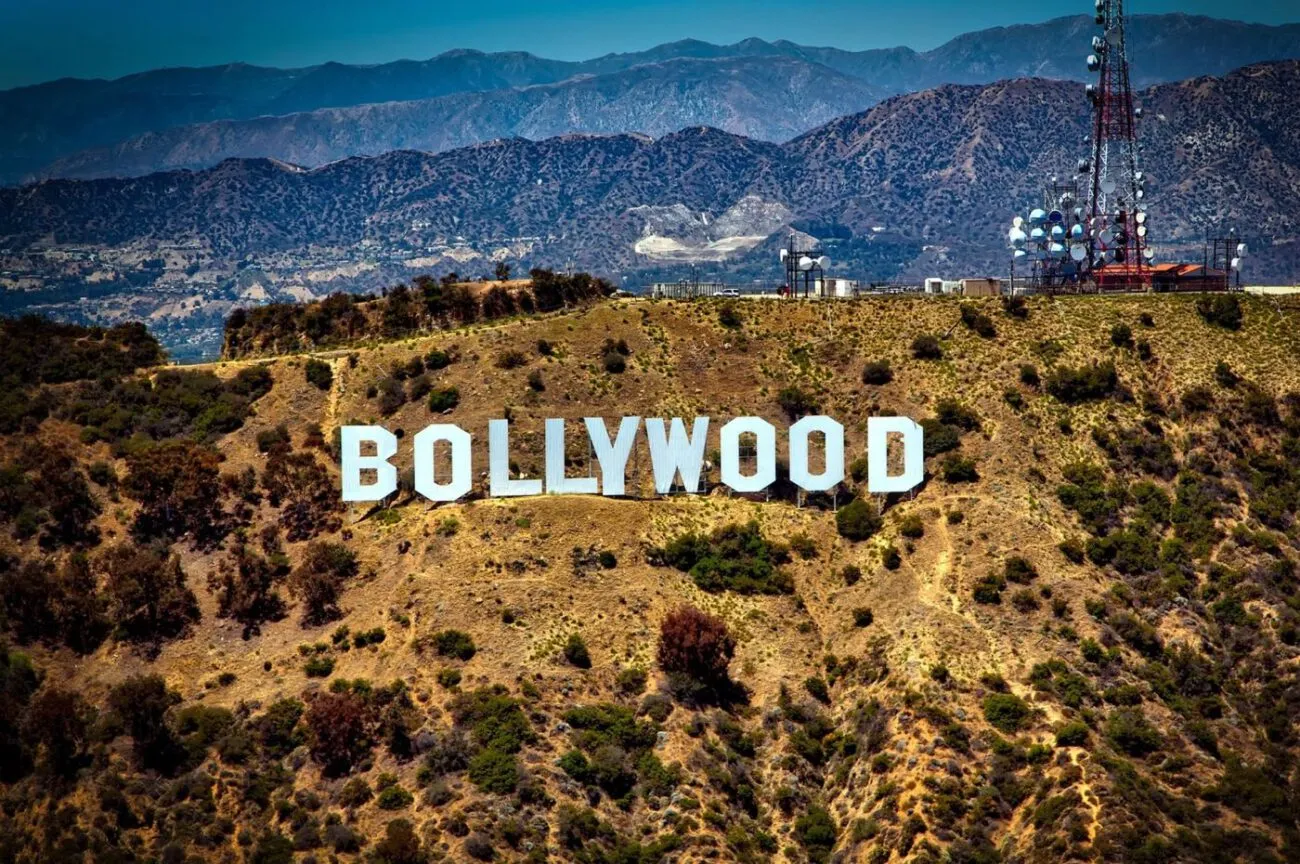
The historical trajectory of what is Bollywood begins much earlier than the 1970s term itself suggests. The foundation of Indian cinema traces back to 1896 when Auguste and Louis Lumière, the pioneering cinematography innovators, visited Bombay to introduce moving picture technology to Indian audiences. This initial encounter sparked interest among Indian filmmakers in this revolutionary medium.
The authentic beginning of Hindi film production occurred on May 3, 1913, when Dadasaheb Phalke, revered as the father of Indian cinema, released “Raja Harishchandra,” the subcontinent’s first full-length feature film. This silent production marked the commencement of organized film production in India. Phalke’s achievement demonstrated that Indians possessed the technical capability and creative vision necessary to produce sophisticated cinematic works.
The transition from silent cinema to sound represented a transformative moment. In 1931, “Alam Ara” premiered as the first Indian film with synchronized dialogue and audio, featuring an impressive seven songs. Remarkably, “Indra Sabha,” released in 1932, contained a staggering sixty-nine musical numbers, establishing music’s central role in Hindi cinema. These early sound productions revealed that Indian audiences possessed an insatiable appetite for musical entertainment embedded within dramatic narratives.
The period spanning 1913 through the 1940s witnessed exponential growth in production capacity. In 1927, Indian studios produced one hundred eight films; by 1931, this figure had surged to three hundred twenty-eight productions. Corresponding with this expansion, cinema theaters proliferated throughout urban areas, and audiences grew exponentially. Important directorial talents emerged during the 1930s and 1940s, including Debaki Bose, Chetan Anand, S.S. Vasan, and Nitin Bose, each contributing significantly to Hindi cinema’s artistic development.
What is Bollywood’s golden age?
The period from 1947 through the 1960s represents what film historians designate as Indian cinema’s Golden Age. Following India’s independence from British colonial rule in 1947, the nation’s film industry entered a remarkably creative and culturally significant phase. Cinema emerged as the primary medium through which India articulated its national identity, democratic values, and aspirations following independence.
During this era, Mehboob Khan’s “Mother India” (1957) achieved unprecedented recognition by becoming the first Hindi film nominated for the Academy Award for Best Foreign Language Film at the Oscars. This accomplishment demonstrated that Indian cinema possessed artistic legitimacy within international spheres. The film conveyed profound Indian nationalism to both urban and rural populations, effectively using cinema as an instrument for cultural cohesion following the trauma of partition.
Key characteristics of the Golden Age included:
- Films addressing substantial social issues including class exploitation, rural poverty, and national identity
- Emergence of legendary performers such as Dilip Kumar, Raj Kapoor, Dev Anand, and the female icons Meena Kumari, Madhubala, Nargis, and Waheeda Rehman
- Development of increasingly sophisticated narrative structures and technical cinematography
- Integration of music as an essential narrative component rather than mere decoration
- Creation of films that resonated both within India and among international audiences
The Golden Age established templates that subsequent Bollywood productions would refine and iterate upon for decades. The romantic melodrama formula, the integration of social commentary within entertainment narratives, and the elevation of music to dramatic importance all crystallized during this transformative period.
The masala film era and contemporary Bollywood development
The 1970s witnessed the emergence of a new Bollywood paradigm. The term “Bollywood” itself was coined during the 1970s as the industry sought distinct terminology separating Hindi cinema from the broader Indian film universe. Simultaneously, the masala film genre crystallized as a dominant production model. The word “masala,” meaning a mixture of spices, perfectly encapsulates this format’s essential philosophy: unrestricted blending of romance, melodrama, comedy, action, and musical entertainment within singular narratives.
Visionary director Manmohan Desai earned recognition as the architect of this masala film tradition. His philosophy emphasized escapism and fantasy, rejecting realism in favor of emotional catharsis. Desai famously articulated his creative vision, stating his desire to transport audiences to worlds free from poverty, orphans, and suffering, where destiny operates benevolently and divine forces maintain cosmic order.
The 1970s and subsequent decades produced cinema’s most iconic moments:
- Sholay (1975) – Directed by Ramesh Sippy, this Western-influenced buddy film elevated Amitabh Bachchan to superstar status and remains Bollywood’s most iconic production
- Amar Akbar Anthony (1977) – This comedic masala film featuring three separated brothers demonstrated the genre’s capacity for large-scale entertainment
- Mr. India (1987) – Combining science fiction with family drama and romance
- Raj (1995) – Representative of the romantic comedy revival that accompanied India’s economic liberalization
- Dilwale Dulhania Le Jayenge (1995) – Became Hindi cinema’s longest-running theatrical release, appealing specifically to overseas Indian diaspora communities
| Era | Approximate Years | Defining Characteristics | Notable Films |
|---|---|---|---|
| Early Cinema 🎞️ | 1913-1940s | Silent era transitioning to sound; establishing foundational practices | Raja Harishchandra, Alam Ara |
| Golden Age 👑 | 1950s-1960s | Social consciousness; emergence of legendary performers; technical sophistication | Mother India, Mughal-e-Azam |
| Masala Era 🌶️ | 1970s-1990s | Action, melodrama, and escapism; genre blending; star-centric productions | Sholay, DDLJ |
| New Bollywood 🆕 | 1990s-present | Economic liberalization influence; diverse narratives; international appeal | Lagaan, 3 Idiots, Dangal |
The critical role of music and dance in Hindi cinema
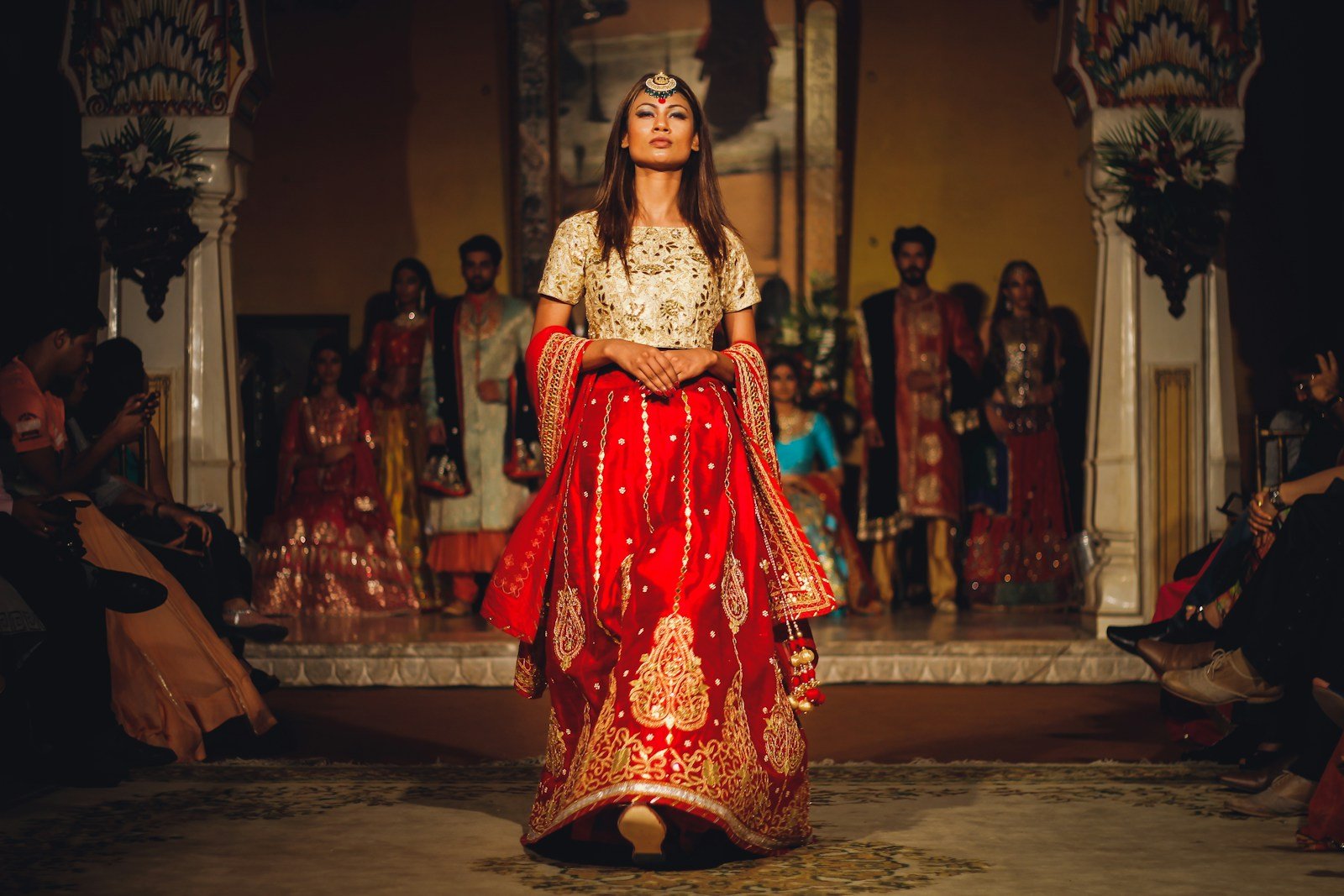
Understanding what is Bollywood demands serious examination of its musical traditions. Hindi cinema operates fundamentally as musical theater adapted to film form. Music transcends mere accompaniment; it functions as the primary emotional and narrative vehicle. Films typically feature three to five major song sequences, each advancing the story, developing character psychology, or expressing emotional states impossible to convey through dialogue alone.
The musical infrastructure supporting Bollywood productions involves specialized professionals: music composers, lyricists, singers (often playback singers whose voices appear on-screen while different actors perform), choreographers, and orchestral musicians. Remarkably, a film’s music frequently receives production and release before the completed motion picture itself, generating audience anticipation and often determining commercial success independently of the film’s plot or performances.
Bollywood dance traditions and cultural synthesis
Bollywood dancing represents a distinctive synthesis of India’s classical dance traditions with contemporary global influences. Traditional Indian dance forms possess extraordinary antiquity and codified expressiveness. Classical styles including Bharatanatyam, Kathak, and regional folk dances provided the foundational vocabulary. These classical traditions employ specific elements: complex footwork patterns, hand gestures designated as mudras (approximately one hundred eight distinct configurations), facial expressions, and full-body movements conveying specific emotions and narrative meanings.
Beginning in the 1980s, Bollywood choreography began incorporating substantial Western dance influences including jazz, hip-hop, and contemporary Western styles. Modern Bollywood dance consequently fuses Indian classical elements with global dance vocabularies, creating a uniquely accessible form requiring no specialized training or prior experience. This accessibility distinguishes Bollywood dancing from rigorously codified classical traditions, permitting widespread participation and enjoyment.
Significant traditional dances inform Bollywood’s contemporary style:
- Bhangra – An energetic Punjabi folk dance featuring spirited expressions, elevated arm movements, and vigorous jumps, historically performed during harvests
- Garba – A circular dance originating from Gujarat, characterized by rhythmic hand clapping and rotational movements
- Kathak – A classical North Indian form emphasizing fast footwork and intricate rhythmic patterns
- Bharatanatyam – A sophisticated South Indian classical tradition featuring graceful movements, elaborate hand gestures, and profound emotional expression
Famous dancers have elevated Bollywood’s dance prestige. Helen, a dancer of extraordinary talent, achieved legendary status through performances like “Piya Tu Ab Toh Aja,” demonstrating technical mastery and charismatic presence. Later, Govinda introduced freestyle Bollywood dance, liberating the form from restrictive structures and encouraging individual expression and improvisation.
Contemporary Bollywood and global influence
What is Bollywood today encompasses a rapidly evolving industry navigating technological disruption while maintaining core entertainment values. The advent of streaming platforms, changing audience demographics, and international commercial opportunities have prompted significant transformations in production approaches, narrative content, and distribution strategies.
Modern Bollywood productions and international recognition
Twenty-first century Bollywood productions have achieved unprecedented international commercial and critical success. Lagaan (2001), directed by Aamir Khan, blended cricket, anti-colonial politics, and romantic melodrama, earning an Academy Award nomination for Best Foreign Language Film and demonstrating Bollywood’s capacity to compete within international prestige hierarchies. 3 Idiots (2009) combined comedy with critique of India’s educational system, achieving massive commercial success while addressing substantive social issues. Dangal (2016), a biographical sports drama depicting female wrestlers, achieved extraordinary box office results, particularly across Asian markets including China.
Most significantly, Slumdog Millionaire (2008), while technically a British-Indian co-production rather than purely Bollywood production, catalyzed profound shifts in Western audience perceptions regarding Indian cinema. The film garnered eight Academy Awards, including Best Picture and Best Original Song, legitimizing Indian cinematic aesthetics and narratives within mainstream Western entertainment hierarchies. Its international success substantially accelerated Bollywood’s global cultural penetration.
| Factor | Pre-2000s | Contemporary (2000s-present) | Impact |
|---|---|---|---|
| International Recognition 🌍 | Minimal Oscar nominations; limited Western theatrical distribution | Multiple nominations; major streaming platform acquisitions | Expanded audience demographics |
| Production Budget 💰 | Primarily domestic production financing | International co-productions and financing | Increased production values and scope |
| Content Diversity 📖 | Formulaic masala films; limited genre variation | Diverse narratives; experimental storytelling; regional perspectives | Broader appeal across age and cultural groups |
| Distribution 📺 | Theater-dependent; limited home video availability | Streaming platforms; theatrical + simultaneous digital releases | Democratized access; flexible viewing models |
| Cultural Representation 👥 | Traditional gender roles; limited social progressivism | Progressive themes; representation of marginalized communities; social commentary | Evolving cultural narratives reflecting contemporary India |
Bollywood’s influence on global popular culture
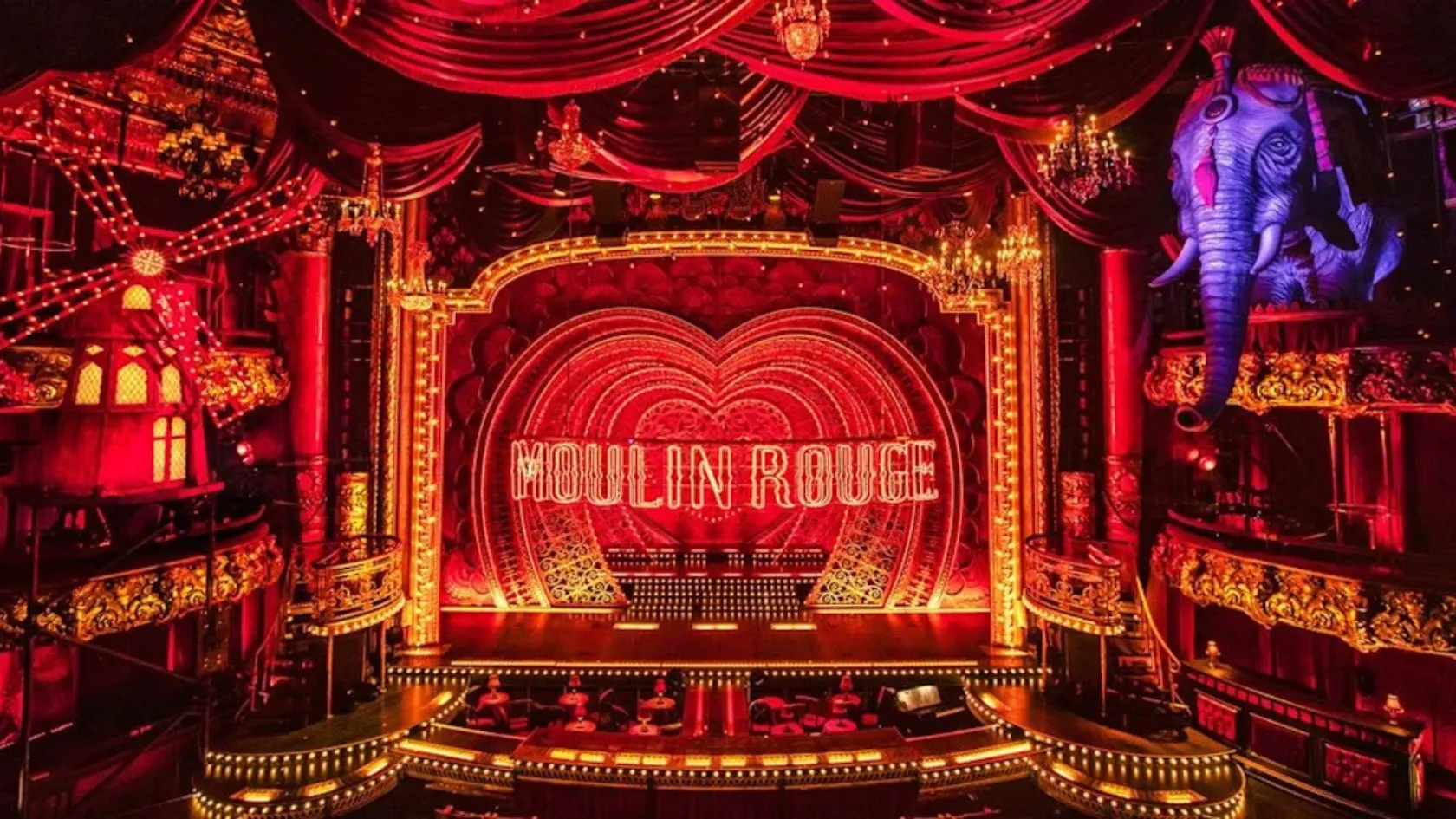
The contemporary influence of Hindi cinema extends far beyond South Asian communities. Bollywood aesthetics, music, and dance have penetrated mainstream Western entertainment across multiple platforms and mediums. American films including “Moulin Rouge,” “The Inside Man,” “Ghost World,” and “The Guru” incorporate Bollywood visual or musical elements, indicating the style’s recognized artistic legitimacy.
Western musical artists have extensively sampled Bollywood compositions and aesthetics. The Black Eyed Peas, Jay-Z, Dr. Dre, Daddy Yankee, Missy Elliott, Truth Hurts, and the Pussycat Dolls have all incorporated Bollywood influences into their productions. This musical cross-pollination demonstrates the format’s global resonance and commercial viability. Major entertainment corporations including Netflix, Amazon Prime, and traditional studios now produce or acquire Bollywood content for international distribution.
Reality television competitions extensively feature Bollywood dance and music. Programs including “So You Think You Can Dance” and “Dancing with the Stars” regularly incorporate Bollywood choreography, exposing millions of viewers to the tradition. Fashion designers globally reference Bollywood costume aesthetics, incorporating vibrant color palettes, ornamental patterns, and dramatic silhouettes inspired by Hindi film traditions.
The economic and cultural significance of what is Bollywood
What is Bollywood represents extends beyond artistic considerations into substantial economic and geopolitical dimensions. The Hindi film industry generates approximately two billion dollars annually in revenue, establishing it as a significant economic sector. Production, distribution, exhibition, music licensing, merchandise, and related services employ hundreds of thousands of individuals throughout India.
The cultural implications deserve equal emphasis. Bollywood functions as a critical instrument of Indian soft power, substantially enhancing India’s global cultural influence and modifying international perceptions regarding Indian identity, modernity, and sophistication. Before Bollywood’s international ascendancy, Western stereotypes regarding India frequently emphasized backwardness, poverty, and underdevelopment. Contemporary Bollywood successfully presents India as a source of cultural sophistication, technological capability, and artistic innovation.
Scholar Brigitte Schulze documented how Indian films, particularly Mehboob Khan’s “Mother India,” shaped the newly independent Indian Republic’s national identity during the 1950s. Cinema provided a powerful medium through which diverse linguistic, religious, and cultural communities within India could comprehend a unified national narrative. This nation-building function remains relevant; contemporary Bollywood frequently explores themes of national integration, communal harmony, and secular democracy.
Notable Bollywood personalities and their cultural impact
The film industry’s international expansion coincides with the ascendancy of particular actors who have achieved global celebrity status. Shah Rukh Khan, frequently designated as the “King of Bollywood,” has appeared in more than one hundred films since the 1990s, primarily playing romantic leads. His appeal extends substantially beyond India; he possesses significant celebrity status throughout the Middle East, Southeast Asia, and among diaspora communities worldwide.

Amitabh Bachchan represents an earlier generational touchstone, having appeared in more than two hundred films since the 1970s. His deep, distinctive voice and intense dramatic presence established him as one of Hindi cinema’s most influential figures. Priyanka Chopra Jonas exemplifies contemporary cross-cultural navigation, having successfully transitioned between Bollywood and Hollywood productions while married to Western musician Nick Jonas.
Akshay Kumar specialized in action films, establishing himself as a credible martial artist-performer across three decades. Actresses including Madhuri Dixit, a classically trained dancer whose technical proficiency elevated Bollywood’s dance sequences during the 1980s and 1990s, Deepika Padukone, Alia Bhatt, Shraddha Kapoor, and Kareena Kapoor Khan represent contemporary female performers commanding substantial salaries and audience devotion.
Bollywood’s significance within broader Indian cinema
A critical distinction separates Bollywood from the broader Indian cinema landscape. India produces motion pictures in over twenty languages, and Bollywood represents only the Hindi-language sector. Tamil cinema (nicknamed “Kollywood”) produces films in Tamil language; Telugu cinema (“Tollywood”) operates similarly, as do Bengali, Marathi, Kannada, and Malayalam film industries. These regional industries maintain distinct production traditions, audience bases, and commercial dynamics.
Statistically, Hindi cinema dominates overall production. In 2017, of 1,986 Indian feature films produced nationally, 364 were Hindi language productions. By 2022, Hindi cinema represented approximately thirty-three percent of Indian box office revenue, substantially exceeding Telugu (twenty percent) and Tamil (sixteen percent) cinema. However, the collective strength of regional Indian cinema industries demonstrates that Bollywood, despite its international prominence, represents only a portion of India’s extraordinary cinematic productivity.
Conclusion
What is Bollywood ultimately encompasses far more than casual entertainment. The Hindi film industry represents a sophisticated cultural institution that has profoundly shaped Indian national identity, influenced global popular culture, generated substantial economic value, and provided millions of citizens with escapism, inspiration, and emotional catharsis. From its inception with Dadasaheb Phalke’s groundbreaking 1913 production through its contemporary status as a global cultural phenomenon, Bollywood has demonstrated remarkable capacity for evolution while maintaining core characteristics including musical centrality, emotional intensity, and commitment to accessible entertainment.
The industry’s continued global expansion, coupled with its adaptation to digital distribution platforms, positions Bollywood as an increasingly significant force within international entertainment hierarchies. Understanding what Bollywood represents requires appreciation for its artistic traditions, cultural significance, economic importance, and role as a medium through which hundreds of millions of individuals across the globe experience storytelling, music, dance, and emotional expression. For those seeking comprehension of contemporary global culture, Bollywood’s trajectory and influence demand serious scholarly and popular attention.