
The history of cinema in the United States has been profoundly shaped by the artistic contributions of black American actors who have transformed entertainment while breaking through significant barriers. From the pioneering era of Sidnewy Poitier to the contemporary dominance of stars like Denzel Washington and Viola Davis, these performers have redefined what is possible on screen. The journey of black American actors reflects broader cultural shifts, spanning from the civil rights movement through the modern era of inclusive storytelling.
This comprehensive guide explores the evolution, achievements, and impact of black American actors across generations, examining how they have influenced not only Hollywood but global cinema. Whether you seek to understand the foundational figures who challenged industry norms or discover the emerging talents reshaping narratives today, this article provides an in-depth examination of the personalities, performances, and legacies that define Black excellence in the entertainment industry.
| 🎬 Key Era | 📊 Defining Characteristics | ⭐ Leading Figures | 🏆 Notable Achievement |
|---|---|---|---|
| Pioneering Era (1950s-1960s) | Barrier-breaking performances | Sidney Poitier, Harry Belafonte | First Black Oscar winners |
| Golden Age (1970s-1980s) | Diverse role expansion | Richard Pryor, Danny Glover | Leading man status achieved |
| Contemporary (1990s-2000s) | Mainstream blockbuster dominance | Will Smith, Denzel Washington | Box office superstars |
| Modern Era (2010s-Present) | Artistic recognition & activism | Chadwick Boseman, Viola Davis | Critical acclaim, franchise leads |
| Emerging Generation (2020s) | Diverse storytelling & representation | Ashton Sanders, KiKi Layne | Prestige independent cinema |
The legendary pioneers : Black American actors who revolutionized Hollywood
The foundation upon which contemporary black American cinema rests was constructed by visionary performers who refused to accept diminished roles and limited opportunities. These pioneers did not simply act—they transformed the industry itself through their integrity, talent, and unwavering commitment to meaningful representation.
Sidney Poitier stands as the most consequential figure in this narrative. Born in Miami, Florida in 1927 and raised in the Bahamas, Poitier arrived in America at age fifteen with limited prospects. His early career saw him cast exclusively in servile or stereotypical roles, parts that many lesser actors might have accepted as permanent. However, Poitier’s discernment proved revolutionary. He systematically declined projects that would perpetuate demeaning representations, choosing instead to wait for opportunities that would present Black men with agency, intelligence, and humanity.
His breakthrough came with “Lilies of the Field” (1963), earning him the Academy Award for Best Actor—the first African American to achieve this honor. The significance of this moment cannot be overstated. Poitier’s Oscar demonstrated that audiences across racial lines would embrace films centered on Black talent in leading roles. Subsequent masterpieces including “Guess Who’s Coming to Dinner” (1967) and “To Sir, with Love” (1967) further cemented his status while directly addressing the racial tensions of his era.
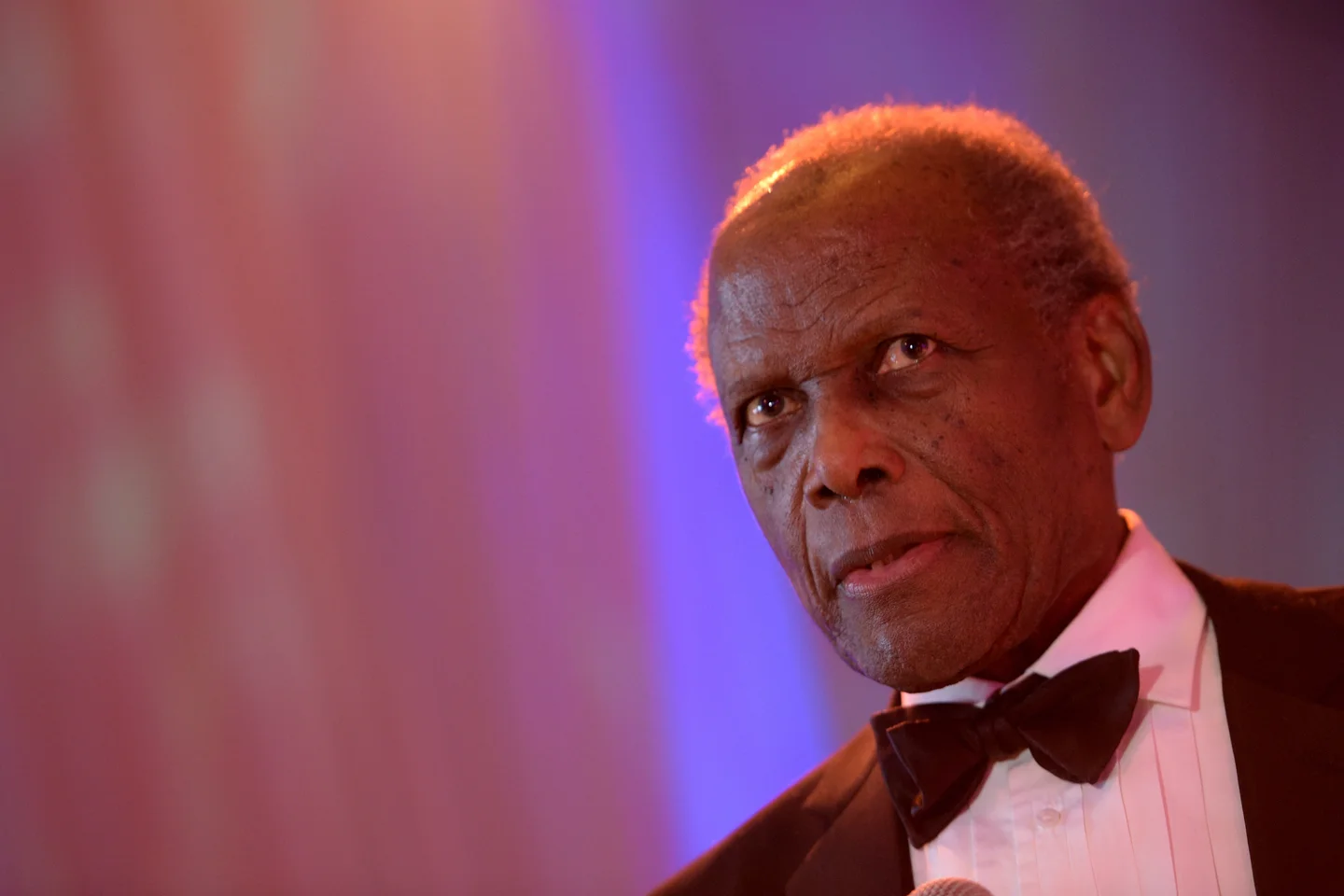
Danny Glover, born in San Francisco to postal workers active in civil rights advocacy, brought theatrical sophistication to film through his training at the Black Actors’ Workshop. His stage presence translated magnificently to cinema, establishing him as a commanding dramatic force. The “Lethal Weapon” franchise (1987-1998) demonstrated that Black actors could anchor action films while maintaining artistic integrity, inspiring countless performers who followed.
Morgan Freeman, born in 1937 in Memphis, represents the contemplative, intelligent archetype that would shape Black male representation for decades. His distinctive voice and measured intensity created a singular screen presence. Freeman’s ability to inhabit complex authority figures—judges, presidents, wise mentors—expanded the range of roles available to Black actors while establishing new standards for onscreen credibility.
Key pioneering achievements in cinema
- Sidney Poitier’s Academy Award (1963) for “Lilies of the Field” as first Black male actor to win
- Danny Glover’s establishment as action film leading man in “Lethal Weapon” series
- Morgan Freeman’s evolution from theater icon to acclaimed film actor
- Harry Belafonte’s Emmy Award (1960) as first Black entertainer to achieve this distinction
- Richard Pryor’s transformation of comedy into social commentary through performance
The contemporary titans : Black American actors redefining stardom
| 🌟 Actor | 📽️ Signature Role | 🏆 Major Awards | 🎯 Defining Quality |
|---|---|---|---|
| Denzel Washington | Malcolm X, Training Day | 2 Oscars, 10 nominations | Dramatic intensity & versatility |
| Samuel L. Jackson | Nick Fury, Jules Winnfield | NAACP Image Awards | Prolific excellence (100+ films) |
| Viola Davis | Ophelia, Annalise Keating | Oscar, Tony, Emmy | Range across theater & screen |
| Forest Whitaker | Idi Amin, Zuri | Oscar for “Last King of Scotland” | Character immersion & subtlety |
| Don Cheadle | Paul Rusesabagina, War Machine | Emmy nominations, critical acclaim | Intelligent character work |
| Michael B. Jordan | T’Challa rival, trauma survivor | Golden Globe nods | Modern action hero prototype |
The contemporary period, spanning the 1990s through today, witnessed black American actors achieving unprecedented levels of stardom, critical recognition, and creative control. These performers not only occupied prominent roles but shaped entire franchises and cultural conversations through their artistry.
Denzel Washington represents the apotheosis of the leading man archetype. Born in Mount Vernon, New York in 1954, Washington pursued acting at Lincoln Center and the American Conservatory Theater in San Francisco. His early television role in “St. Elsewhere” provided consistent work, but his films catalyzed his ascendancy. “Malcolm X” (1992) revealed his capacity for historical interpretation, while “Training Day” (2001) earned him the Academy Award for Best Supporting Actor for portraying a morally complex antagonist. His Oscar for “Glory” (1988) as Best Supporting Actor, combined with numerous nominations, positions him among cinema’s most decorated performers. With roles spanning military dramas, romantic thrillers, and action adventures, Washington has demonstrated that black American actors possess the full spectrum of leading man capabilities.
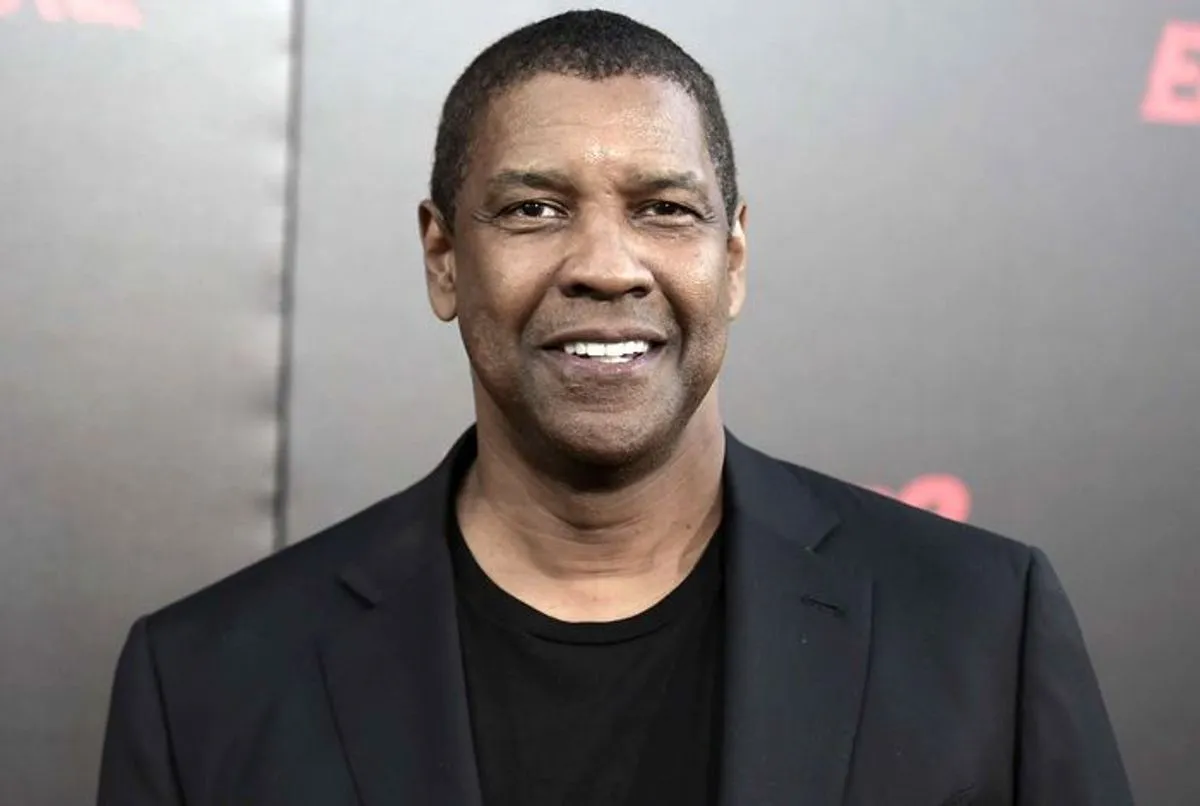
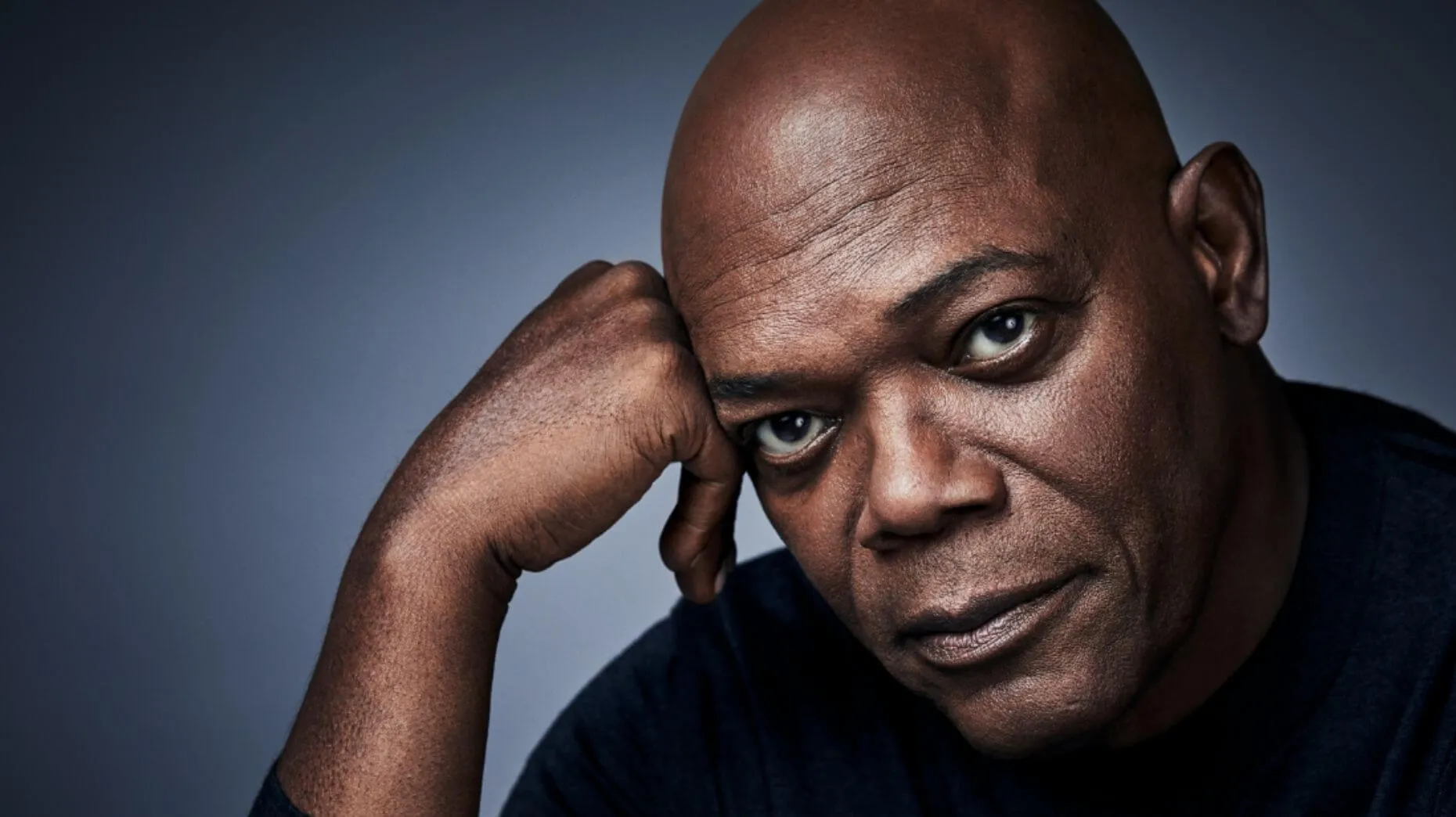
Samuel L. Jackson, born in Washington D.C. in 1948, has become cinema’s most prolific actor, appearing in over 100 films across every imaginable genre. His collaboration with director Spike Lee in “Do the Right Thing,” “Mo’ Better Blues,” and “Jungle Fever” established his reputation during the 1980s. Subsequently, his iconic role as Nick Fury in the Marvel Cinematic Universe, combined with appearances in “Jurassic Park,” “Pulp Fiction,” and “Die Hard with a Vengeance,” created unprecedented visibility for Black male talent in mainstream American cinema.
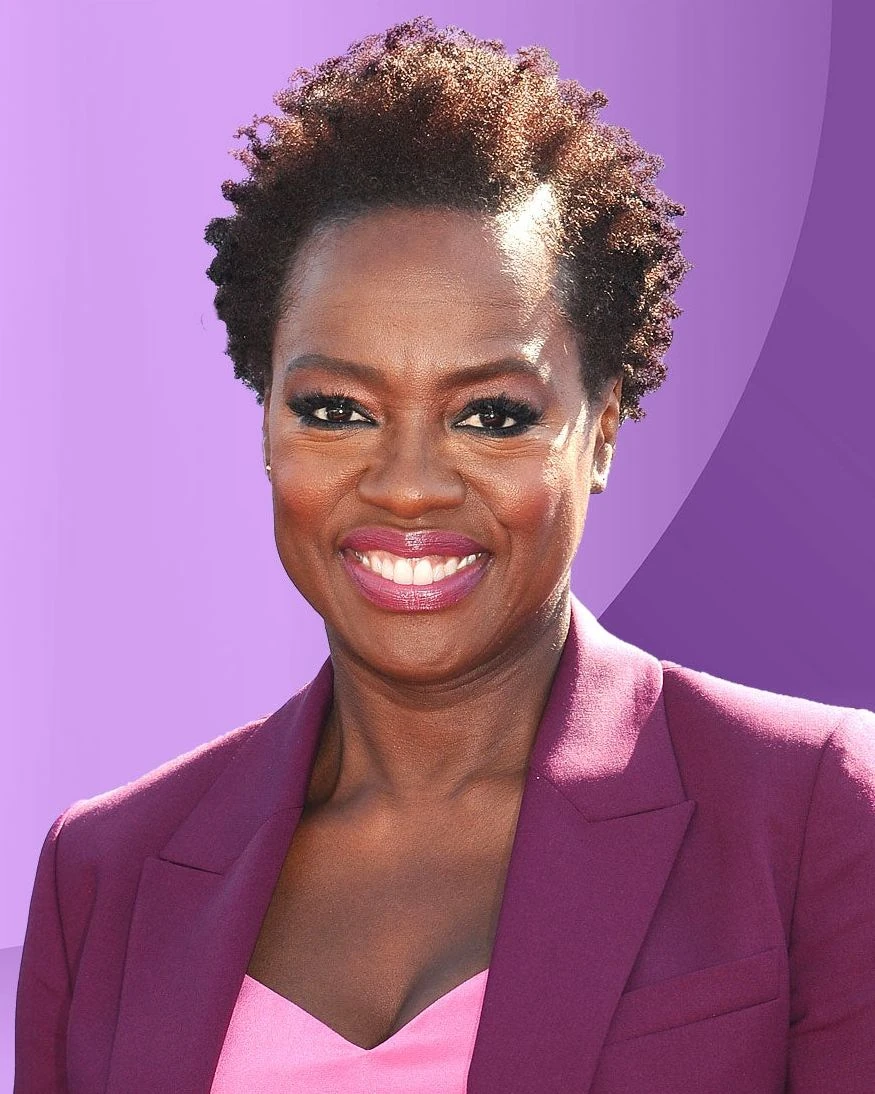
Viola Davis has revolutionized female representation through her refusal to accept secondary roles. Winning the Academy Award for Best Supporting Actress for “Fences” (2016), Davis became part of an elite group of Black women with Oscar recognition. Her simultaneous achievement as the first Black woman to headline a network drama with “How to Get Away with Murder” expanded possibilities for actresses across television and film. Davis exemplifies how black American actors have transcended traditional entertainment boundaries to achieve recognition across multiple mediums.
The guardians of prestige : Award-winning performances that shaped cinema
Forest Whitaker, born in Longview, Texas in 1961, has earned recognition through deeply internalized character work. His Academy Award for “The Last King of Scotland” (2006), portraying Ugandan dictator Idi Amin, demonstrated his capacity to inhabit historical figures with psychological complexity. Beyond this flagship performance, Whitaker’s filmography spans “Boyz n the Hood,” “Apocalypse Now,” and television excellence in “Black-ish,” where he brought paternal warmth to family narratives.
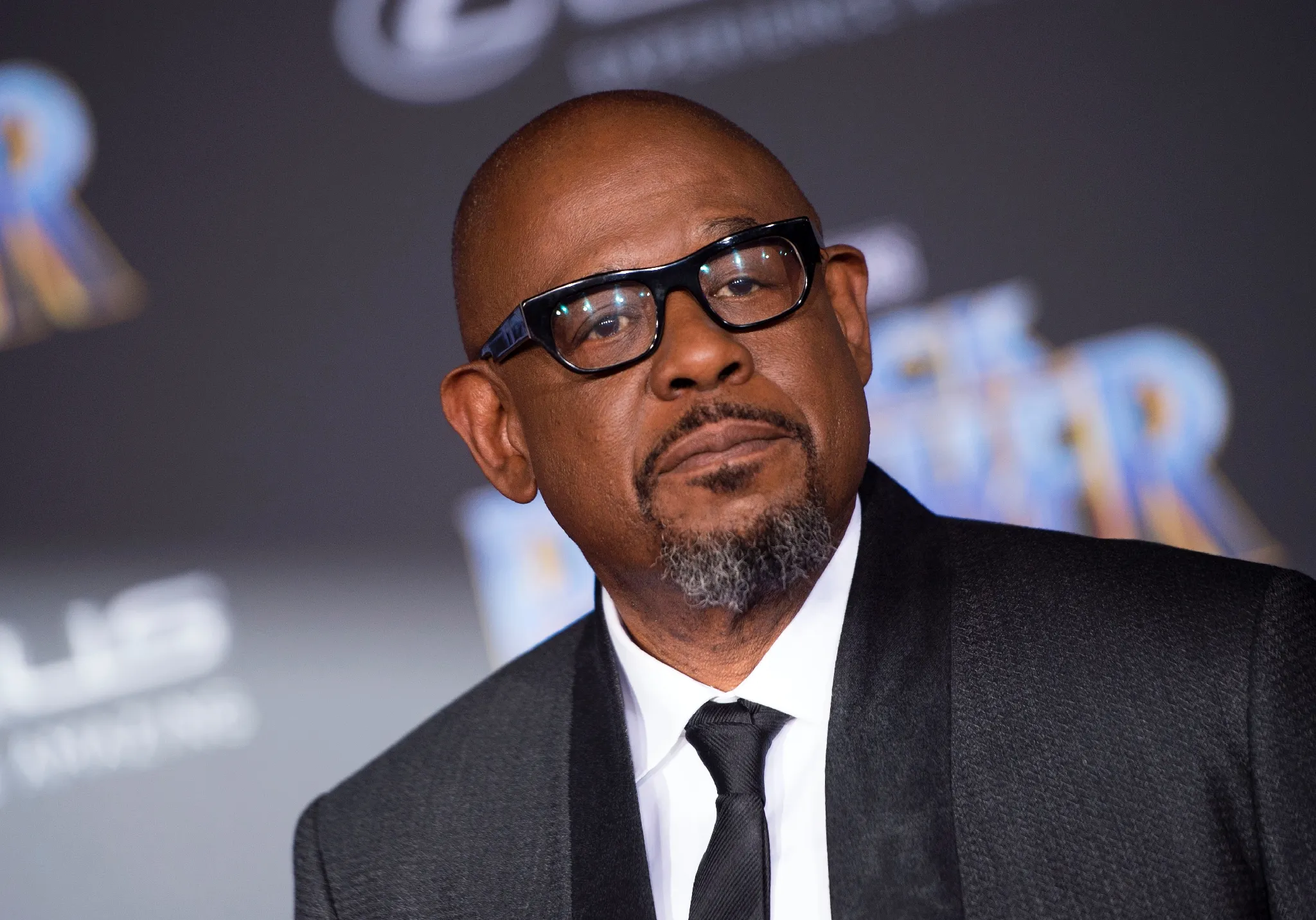
Laurence Fishburne, born in Augusta, Georgia in 1961, emerged as a commanding screen presence through his role as Morpheus in “The Matrix” trilogy (1999-2003). This franchise-defining role positioned Fishburne as the intelligent, spiritually attuned mentor archetype. His earlier work in “Boyz n the Hood” and theater success earning a Tony Award demonstrate the breadth of his artistry. Fishburne’s presence in television drama “CSI” and the comedy “Black-ish” further illustrates how black American actors navigate multiple entertainment domains.
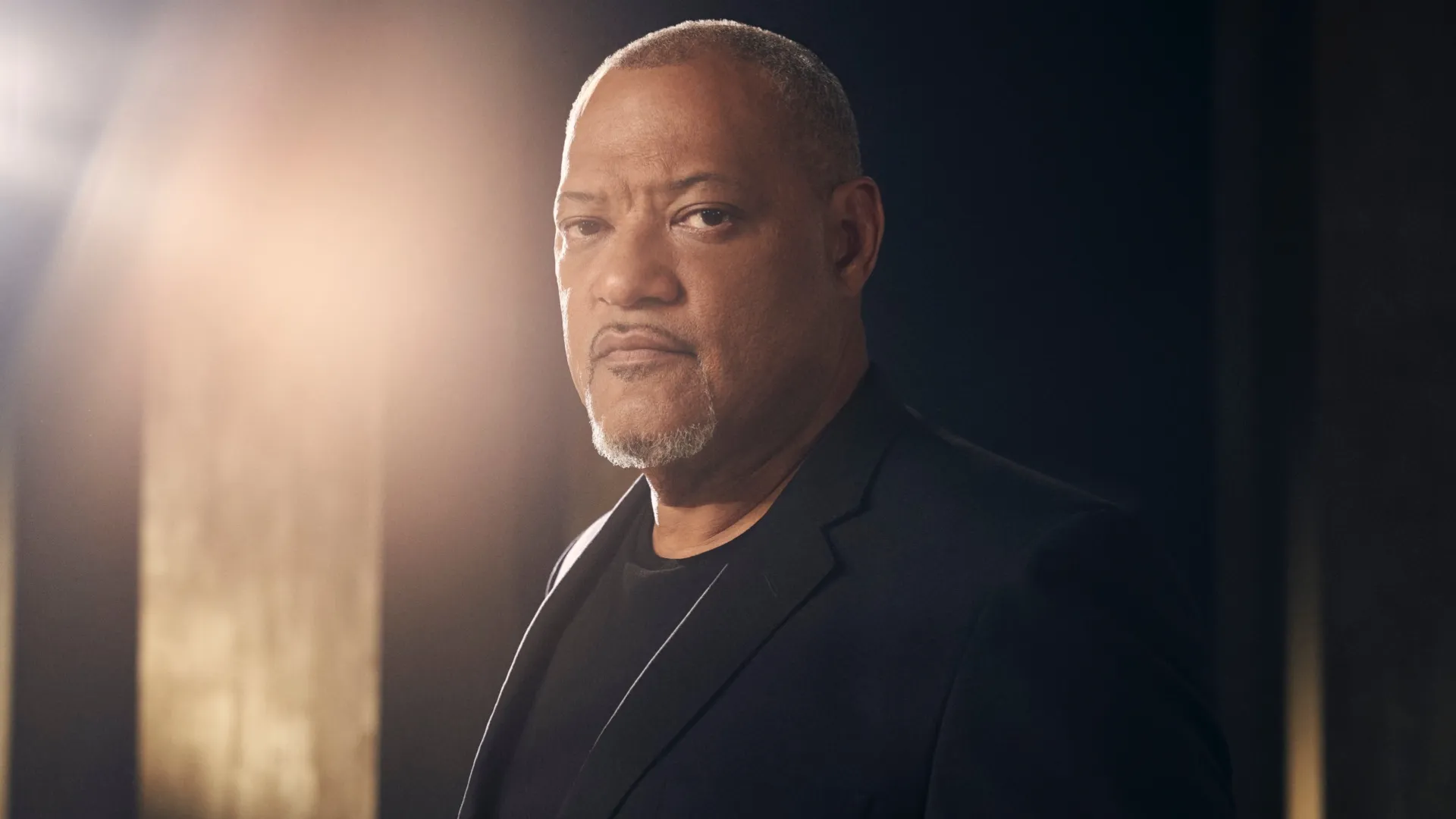
Don Cheadle has established himself through cerebral character work and creative production involvement. His Oscar nomination for “Hotel Rwanda” (2004) brought visibility to his capacity for humanistic storytelling. His appearances across the “Ocean’s” franchise, “Iron Man 2” as War Machine, and the limited series “Topboy” demonstrate versatility across entertainment formats.
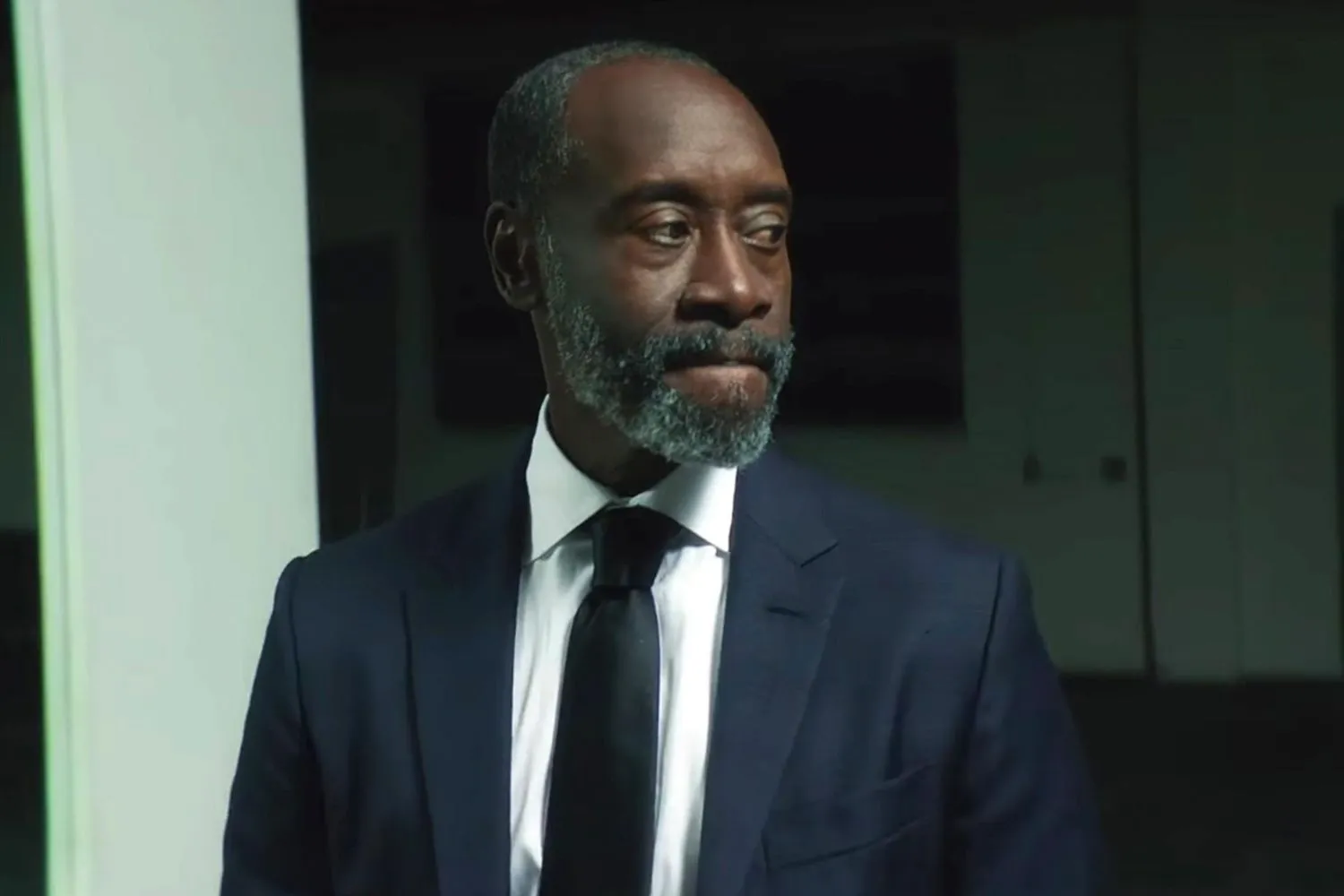
The emerging visionaries : Young black American actors revolutionizing narratives
| 👶 Name | 🎬 Breakthrough Role | 📈 Current Status | 🌟 Impact |
|---|---|---|---|
| Ashton Sanders | Chiron, Moonlight | Award consideration actor | Introspective indie cinema |
| KiKi Layne | Tish Rivers, If Beale Street Could Talk | Film & TV crossover | Literary adaptation lead |
| Taylour Paige | Zola, Ma Rainey’s Black Bottom | Rising star trajectory | Character actress excellence |
| Michael Rainey Jr. | Tariq St. Patrick, Power | Television franchise lead | Streaming generation icon |
| Caleb McLaughlin | Lucas, Stranger Things | Global recognition | Youth audience connection |
| John David Washington | Ron Stallworth, BlacKkKlansman | Film lead status | Next-generation leading man |
The newest generation of black American actors brings fresh perspectives shaped by different cultural circumstances and industry opportunities. These performers were born into a landscape partially shaped by the achievements of their predecessors, yet they continue expanding what representation means in contemporary cinema.
Ashton Sanders gained international recognition through his performance as the teenage version of Chiron in “Moonlight” (2016), Barry Jenkins’ acclaimed meditation on Black masculine identity. Sanders’ prior appearance in the slavery drama “The Retrieval” (2013) demonstrated his commitment to substantial roles. His subsequent television work in Hulu’s “Wu-Tang: An American Saga” and “Native Son” alongside fellow emerging talent KiKi Layne shows how black American actors of his generation prioritize artistic merit over commercial calculation.
KiKi Layne, born in 1991, became the lead in Jenkins’ follow-up film “If Beale Street Could Talk” (2018), an adaptation of James Baldwin’s novel centering Black romantic love and institutional injustice. Layne’s performances alongside Sanders in both “Native Son” (2019) and “Captive State” (2019) position her as an actress committed to prestige filmmaking and literary properties.
John David Washington, whose father is the aforementioned Denzel Washington, has emerged as a leading man capable of complex intelligence. His breakout role in “BlacKkKlansman” (2017) earned Golden Globe consideration and demonstrated his capacity to carry films as protagonist. Washington’s multi-generational perspective—learning craft from his Oscar-winning father while establishing independent credibility—reflects the evolving landscape of black American actors in contemporary Hollywood.
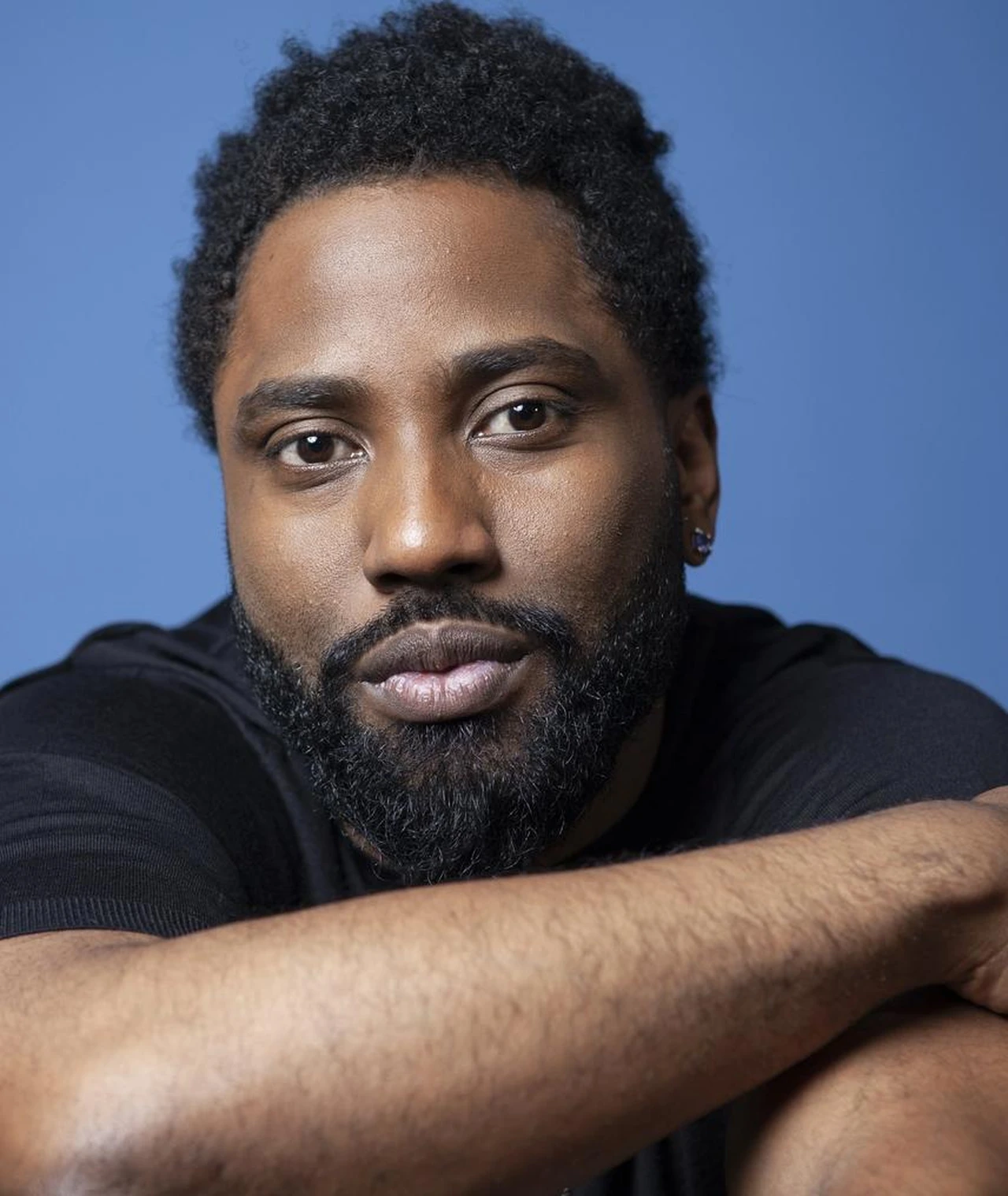
Michael B. Jordan has positioned himself as the modern action hero archetype, starring as the antagonist in “Black Panther” (2018) before establishing leading man status in the “Creed” franchise sequels. His ability to anchor both intimate dramas and large-scale franchises demonstrates the expanded opportunities available to contemporary black American actors.
Breaking barriers : The historical significance of black American actors in cinema
Hollywood’s relationship with Black talent has never resembled the colorblind meritocracy that cinema often portrays. Understanding contemporary achievements requires acknowledging the structural racism that Black performers systematically overcame.
During the earliest eras of American cinema, Black talent faced absolute exclusion from leading roles, existing only as comic relief, servants, or exotic others. The transition from complete exclusion to measured inclusion represented progress, yet inclusion itself often meant acceptance of demeaning characterizations. Sidney Poitier’s revolutionary contribution lay not merely in winning an Oscar but in refusing roles that would perpetuate harmful stereotypes, thereby redefining what was acceptable for Black performers to accept.
The 1970s and 1980s saw expansion in the range of roles available to Black actors, particularly through the Blaxploitation era (which offered opportunities despite problematic framing) and subsequent dramatic films. Danny Glover’s entrance into action cinema signaled that Black men could occupy traditionally white-coded hero roles. Richard Pryor’s comedy special films demonstrated that Black comedic genius could command substantial theatrical budgets and audiences.
The 1990s witnessed the acceleration of these trends through Will Smith’s unprecedented crossover success in “Independence Day” and “Men in Black,” establishing that Black male talent could anchor the entertainment industry’s most expensive properties. Simultaneously, Black women found expanded opportunities through Kerry Washington’s groundbreaking role in “Scandal,” Taraji P. Henson’s prominence in multiple franchises, and Viola Davis’s systematic refusal to accept anything less than substantive, complex characterization.
Historical milestones for black American actors
- 1960: Harry Belafonte wins Emmy Award as first Black entertainer to achieve distinction
- 1963: Sidney Poitier wins Academy Award for Best Actor in “Lilies of the Field”
- 1973: Richard Pryor wins Emmy Award for comedy performance
- 1988: Denzel Washington wins Oscar for Best Supporting Actor in “Glory”
- 1994: Forrest Gump demonstrates Black actors can appear in historically significant films
- 2018: Black Panther becomes highest-grossing film with predominantly Black cast
- 2020: Viola Davis wins Oscar for “Fences”
Black American actors in contemporary cinema : Franchises and prestige
| 🎬 Franchise/Property | 👥 Black American Talent | 💰 Box Office Impact | 📊 Significance |
|---|---|---|---|
| Marvel Cinematic Universe | Chadwick Boseman, Letitia Wright, Danai Gurira | $1.3B+ (Black Panther) | Franchise leading actors |
| Star Wars | John Boyega, Donald Glover | Franchise restoration | Main saga participants |
| Fast & Furious | Michael B. Jordan, Ludacris | Multi-billion dollar franchise | Action property anchors |
| Creed Films | Michael B. Jordan | Billion-dollar franchise | Complete franchise lead |
| Power Universe | Michael Rainey Jr., Omari Hardwick | Premium cable dominance | Television empire icons |
The 21st century has witnessed black American actors achieving previously impossible levels of creative control and franchise leadership. Chadwick Boseman’s Black Panther (2018) transformed not only his career but redefined possibilities for Black superhero representation. The film’s $1.3 billion global gross demonstrated unequivocally that audiences embraced Black-centered narratives when offered substantive, visually spectacular storytelling.
Boseman’s portrayal of T’Challa/Black Panther represented the culmination of decades of struggle for substantive Black representation in blockbuster cinema. His subsequent appearance in “Avengers: Infinity War” (2018) and “Endgame” (2019) positioned him as central to the Marvel Cinematic Universe’s narrative. His untimely death in August 2020 represented not merely the loss of a gifted performer but the loss of a figure whose cultural significance transcended entertainment.
On the same subject : Popular black American actors reshaping contemporary cinema
Michael B. Jordan’s trajectory illustrates the evolution available to contemporary black American actors. His antagonist role in “Black Panther” evolved into leading man status in the “Creed” franchise (2015-2023), where he demonstrated capacity to carry billion-dollar properties. His production company involvement indicates how black American actors increasingly shape narratives rather than merely inhabiting characters created by others.
The television landscape has proven equally transformative. Michael Rainey Jr. anchored “Power” (2020-2025) as protagonist Tariq St. Patrick across multiple seasons, establishing himself as the central figure in a premium cable empire. His career trajectory—beginning as a child actor in “Orange is the New Black” and ascending to television franchise leadership—reflects expanded opportunities for black American actors in prestige television production.
The next generation : Rising black American actors defining future cinema
The contemporary moment finds numerous black American actors positioned to shape cinema throughout the 2020s and beyond. These emerging talents inherit both the opportunities created by previous generations and the responsibility to advance representation further.
Taylour Paige, born in 1990, gained recognition through her performance in A24’s “Zola” (2020), a vibrant, audacious narrative centered on a Black woman’s agency. Her subsequent appearance in “Ma Rainey’s Black Bottom” (2020) alongside Chadwick Boseman and Viola Davis positioned her within prestige cinema circles. Her Film Independent Spirit Award for Best Female Lead indicates critical recognition of her significance.
Caleb McLaughlin became globally recognized through his role as Lucas Sinclair in Netflix’s “Stranger Things,” establishing himself with younger audiences and demonstrating how black American actors achieve prominence through streaming platforms. His early career success positions him to anchor major properties throughout his career.
Leah Sava Jeffries and numerous other young performers are establishing themselves through diverse streaming and theatrical properties. The institutional recognition previously concentrated in theatrical film has distributed across multiple platforms, expanding opportunities for black American actors to achieve prominence.
The artistry and cultural impact : Why black American actors matter ?
The significance of black American actors extends far beyond entertainment metrics or box office returns. These performers function as cultural ambassadors, representation providers, and artistic exemplars whose work shapes how communities perceive themselves and how broader audiences understand the diversity of human experience.
For young Black viewers, seeing black American actors in positions of power, intelligence, and agency provides normative representation that mainstream media historically denied. When children watch actors who share their racial and cultural identity portraying heroes, professionals, and complex human beings, their understanding of possibility expands. This representation operates as crucial cultural work beyond mere entertainment.
For audiences across racial lines, substantive performances by black American actors humanize experiences and perspectives that mainstream narratives often marginalize or exclude. When viewers watch Viola Davis in “How to Get Away with Murder” negotiating professional ambition, maternal responsibility, and personal trauma, they encounter nuanced female characterization regardless of their own background.
Black American actors have also utilized their platforms for social commentary and activism. Viola Davis’s consistent advocacy for representation, Don Cheadle’s engagement with political filmmaking, and Chadwick Boseman’s deliberate role selection based on cultural significance demonstrate how performers leverage influence for meaningful causes.
Conclusion : The continuing evolution of black American actors in entertainment
The history of black American actors in cinema represents one of the entertainment industry’s great narratives of artistic achievement triumphing over institutional resistance. From Sidney Poitier’s revolutionary refusal to accept demeaning roles through contemporary performers’ leadership of billion-dollar franchises, this trajectory illustrates both how far the industry has evolved and how much work remains.
Contemporary black American actors occupy positions of unprecedented prominence while carrying the responsibility of advancing representation beyond mere numerical inclusion. The emergence of new talents, the continued excellence of established performers, and the industry’s gradual recognition that diverse storytelling creates superior art all suggest that future chapters will continue expanding what is possible.
The legacy of black American actors encompasses not merely their individual performances but their collective demonstration that excluding talent based on race represents not moral injustice alone but commercial stupidity. Hollywood learned—eventually—that audiences embrace excellence regardless of performer identity. This realization, fought for through decades of struggle by performers of uncommon talent and determination, will continue reshaping entertainment for generations to come.